
Distance
Long and remote routes
Drivers may spend hours away from supervisors, dispatch centers, and immediate support.
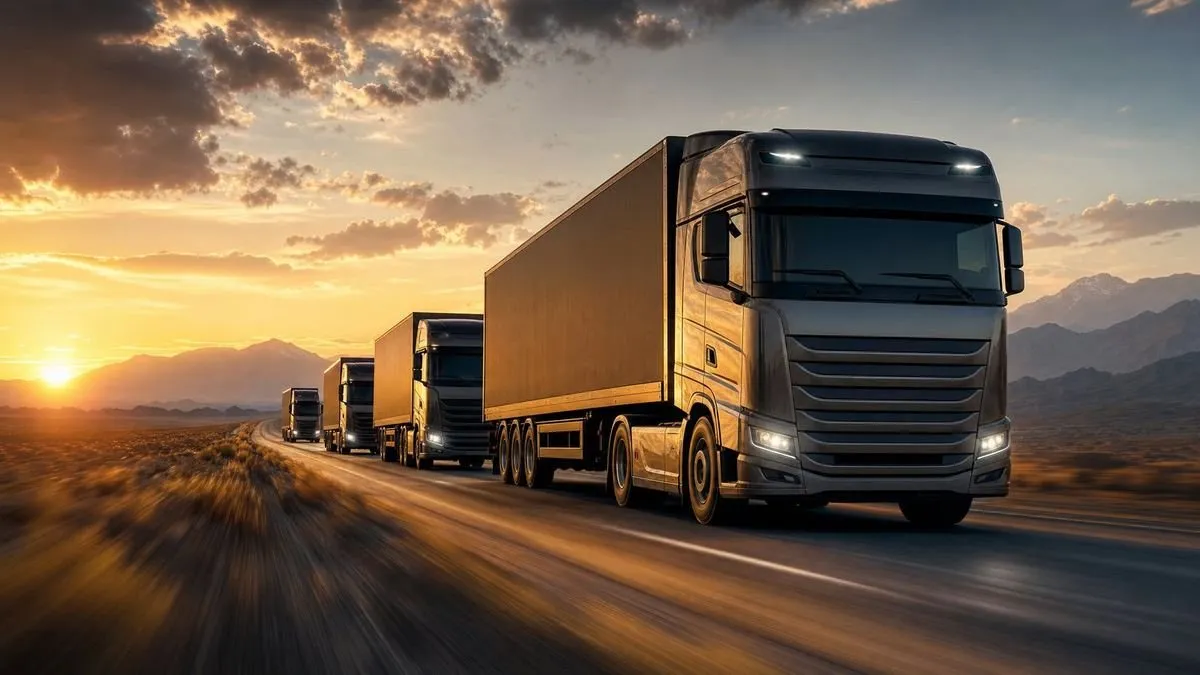
AI-powered driver behavior and collision-risk detection can help safety teams support drivers across remote routes, long shifts, heavy vehicles, and demanding operating environments.
Oil, gas, and energy fleets often operate far from a central safety team. Long routes, fatigue, distraction, and high-severity incidents can put drivers and operations at risk.
Drivers may spend hours away from supervisors, dispatch centers, and immediate support.
Long shifts and changing conditions can make attention harder to sustain.
Heavy vehicles and remote locations can make every collision more difficult to manage.
Detect drowsiness, distraction, and other configured risky behaviors in real time so drivers can self-correct.
Catch drift in real timeRecognize how driver, road, traffic, and vehicle risk are combining and alert while there may still be time to act.
Warn the driver in timeHelp safety teams focus coaching on the drivers and behaviors that need the most attention.
Coach where it countsBring event video and driving context together when a collision or claim needs review.
Review an incident in contextbpx selected the Fleet Intelligence system for its in-cab, real-time feedback that can enable drivers to self-correct immediately. This helped bpx address the last, most critical piece of the safety puzzle across their 400-vehicle fleet: the human factor.
reduction in at-fault collisions per million miles (AFMM)
reduction in distracted driving
reduction in tailgating
These results are specific to the bpx energy program and its measurement period.
Learn how Fleet Intelligence can reduce collision risk in the most demanding environments.
We reply within one business day.